
The Allure of Casino Rewards and Player Psychology
Casino rewards, often presented as bonuses, free spins, or loyalty points, are meticulously designed to tap into fundamental aspects of human psychology. The anticipation of a reward, even a small one, can trigger dopamine release in the brain, creating a sense of pleasure and encouraging repeat engagement. This psychological mechanism is a cornerstone of how casinos cultivate player loyalty and encourage extended gameplay. The feeling of receiving something « extra » or unexpected amplifies the excitement of the gaming experience, and for those interested in understanding more about such platforms, exploring resources like https://www.svafrikaanderplein.nl/ can offer insights into their operational philosophies.
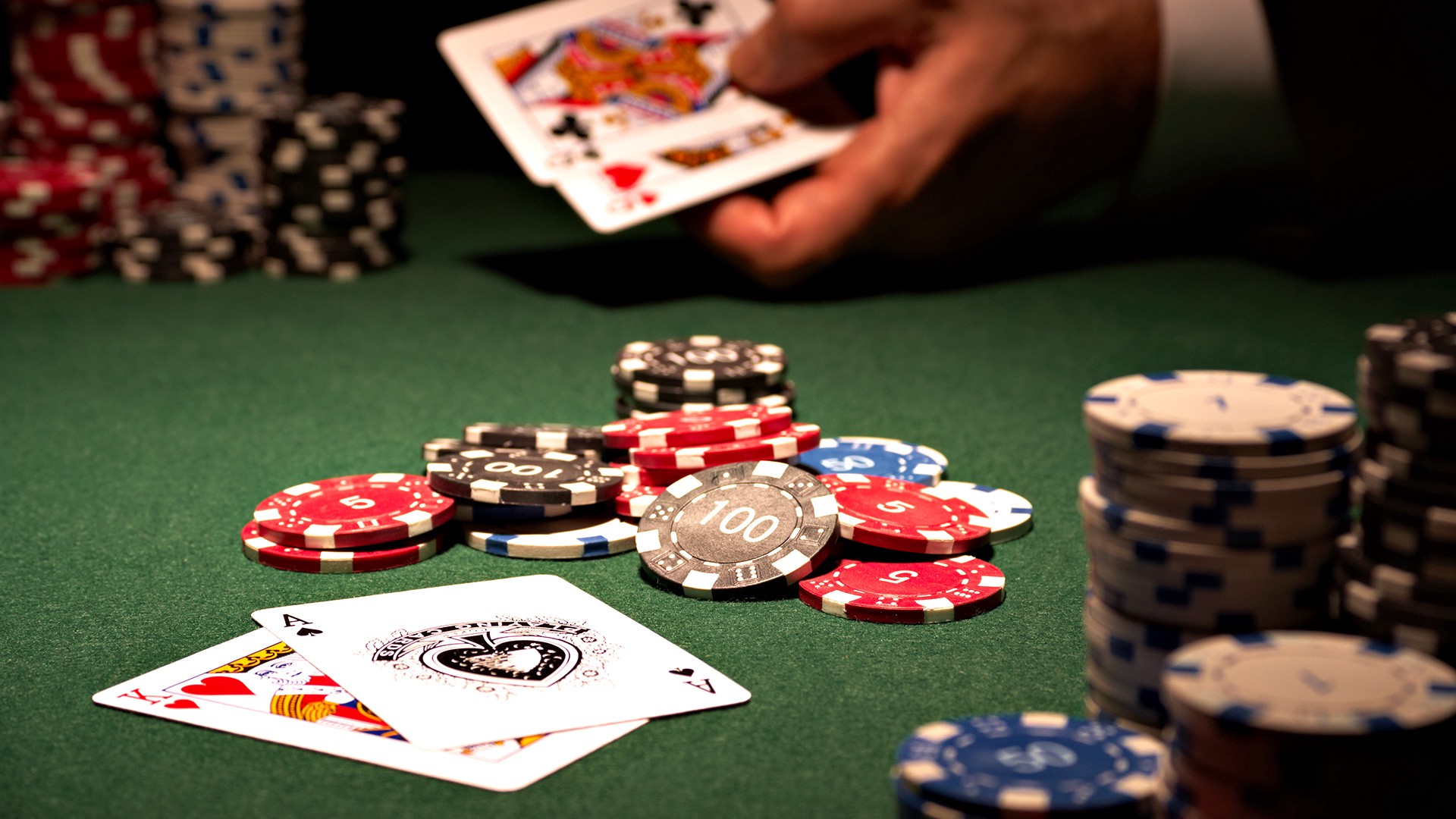
Understanding this psychological interplay is crucial for both players and operators. For players, recognizing how these rewards influence decision-making can lead to more informed choices. For casinos, the strategic deployment of reward systems is not merely about offering discounts; it’s about crafting an environment where players feel valued and motivated to return, fostering a sustainable business model built on perceived generosity and consistent positive reinforcement.
Decoding the « Guaranteed Win » Illusion
The concept of « guaranteed wins » in the context of casino rewards is a powerful psychological lever. While true guaranteed wins are rare and often come with significant wagering requirements or limitations, the *promise* of such an outcome, or the perception of increased winning potential through bonuses, is highly attractive. This plays on the gambler’s fallacy and the inherent hope that the next spin or hand will be the one that breaks the streak, amplified by the added value of a reward.
Casinos leverage this by offering welcome bonuses that might match a player’s initial deposit, effectively increasing their playing capital. Similarly, loyalty programs offer tiered rewards that suggest a more direct path to increased payouts as players progress. The psychological impact is that players feel they have a better chance of achieving a substantial win, even if the underlying odds remain unchanged. This perception management is key to the casino’s reward strategy.
The Role of Variable Reinforcement in Gambling
At the heart of casino rewards and the gambling experience itself lies the principle of variable reinforcement. This psychological phenomenon, where rewards are delivered unpredictably, is known to be incredibly effective in habit formation. Unlike predictable rewards, variable schedules keep individuals engaged because they never know when the next reward will appear, leading to more persistent behavior.
In a casino setting, this translates to the intermittent nature of wins and the staggered delivery of rewards. A player might receive a small bonus after a few losing sessions, or a larger reward after a significant period of play. This unpredictability, coupled with the anticipation of a potential win, makes the activity highly engaging and can contribute to longer playing sessions. This is why the thrill of chasing the next reward or jackpot remains a powerful motivator for many.
Behavioral Economics and Casino Reward Structures
Behavioral economics offers valuable insights into why casino rewards are so effective. Principles like framing and loss aversion play significant roles. For instance, a bonus might be framed as « extra money to play with, » rather than a reduction in the house edge. This positive framing makes the offer more appealing. Loss aversion means that players are more motivated to avoid losses than to achieve equivalent gains, making bonuses that protect against initial losses particularly attractive.
Furthermore, the concept of sunk cost fallacy influences behavior. Once a player has invested time and money, especially with the benefit of rewards, they may feel compelled to continue playing to « recoup » their investment, even if it’s no longer strategically sound. Casino reward systems are adept at encouraging this continued engagement by making it feel like players are always on the cusp of a significant return, a subtle nudge informed by behavioral economic principles.

Exploring Svafrickaanderplein’s Reward Philosophy
While the specific reward mechanics can vary, platforms like Svafrickaanderplein often aim to integrate these psychological principles into their user experience. Their approach to rewards, whether through welcome offers, ongoing promotions, or loyalty tiers, is likely designed to foster a sense of value and encourage sustained engagement. The goal is to create an environment where players feel appreciated and motivated to explore the gaming options available.
By carefully constructing their reward programs, Svafrickaanderplein seeks to balance player satisfaction with responsible gaming. Understanding the psychology behind these offers allows them to create incentives that are both appealing to users and sustainable for the platform. This includes ensuring that the terms and conditions associated with rewards are clear, helping players make informed decisions about how they choose to engage with the platform and its offerings.